Imposter Syndrome and Neurodivergence
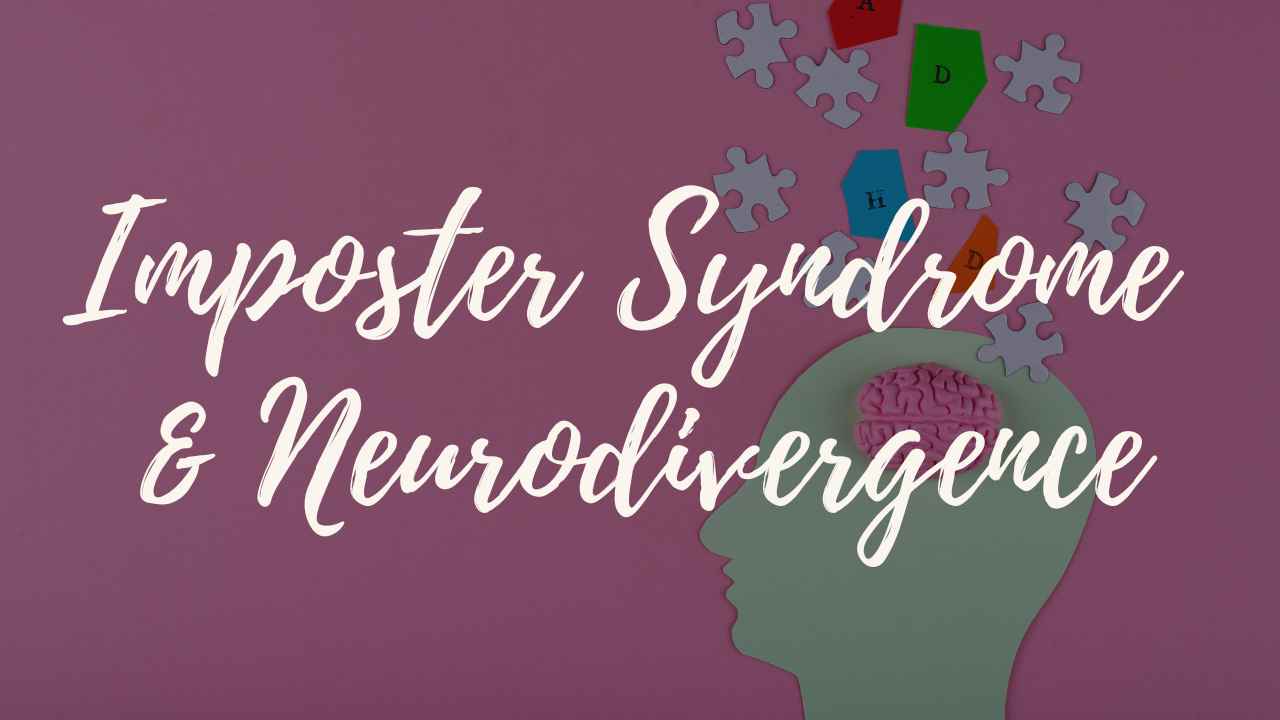
In today’s fast-paced, highly competitive global tech industry, where innovation is a daily expectation, feelings of inadequacy and self-doubt can creep into even the most accomplished professionals. Imposter syndrome, the pervasive feeling of being a fraud despite clear evidence of success, is an all-too-common experience among professionals in the tech world. When coupled with neurodivergence—variations in neurological development such as ADHD, autism, dyslexia, and others—the effects can be even more profound.
Understanding Imposter Syndrome in the Tech Industry
Imposter syndrome is characterized by an internalized fear of being exposed as a fraud. Despite numerous achievements and evidence of competence, those experiencing imposter syndrome often attribute their success to luck, timing, or other external factors, rather than their own abilities. In tech organizations, where innovation, speed, and expertise are paramount, the pressure to keep up can exacerbate these feelings. This is especially true for those who are neurodivergent, as they may already feel out of sync with the conventional expectations of their peers.
In tech environments, where the emphasis is often placed on rapid problem-solving, coding proficiency, and keeping up with ever-evolving technologies, professionals might find themselves questioning their capabilities. The constant comparison to others, especially in a culture that often glorifies the “tech genius” stereotype, can lead to the belief that one doesn’t belong.
The Intersection of Imposter Syndrome and Neurodivergence
For neurodivergent individuals, the experience of imposter syndrome can be particularly intense. Neurodivergence refers to the diverse ways in which people’s brains function, often manifesting in conditions such as ADHD, autism spectrum disorder, dyslexia, and more. These conditions are not deficits but rather different ways of processing information, solving problems, and interacting with the world. However, in a world designed for neurotypical individuals, neurodivergent professionals often face additional challenges.
For example, a tech professional with ADHD might excel in creative problem-solving and hyper-focus on projects they are passionate about but struggle with time management or staying organized. Similarly, an individual on the autism spectrum might bring exceptional attention to detail and pattern recognition to their work but find social interactions and team dynamics challenging. Despite their strengths, these professionals might feel like they’re not meeting the industry’s unwritten standards, feeding into imposter syndrome.
The constant need to adapt to a neurotypical world can lead to burnout, stress, and a heightened sense of not belonging. The internal dialogue often becomes, “If I were really good at this, it wouldn’t be so hard,” or “Everyone else seems to handle this just fine; I must be doing something wrong.” These thoughts are classic signs of imposter syndrome and can be deeply isolating.
Impact on Career Growth and Mental Health
The combined weight of imposter syndrome and the challenges associated with neurodivergence can significantly impact career growth and mental health. Professionals may avoid seeking promotions or new opportunities for fear of being exposed as “not good enough.” They might overwork themselves in an attempt to compensate for perceived inadequacies, leading to burnout. Additionally, the stress of constantly masking neurodivergent traits to fit in with neurotypical norms can take a severe toll on mental health.
In a global tech organization, where competition is fierce and the demand for innovation is unrelenting, these pressures can become overwhelming. The fear of making mistakes, being judged, or not meeting expectations can prevent talented individuals from fully contributing to their teams and advancing in their careers.
Strategies for Managing Imposter Syndrome and Embracing Neurodiversity
Addressing imposter syndrome in neurodivergent professionals requires both individual strategies and systemic changes within organizations. Here are some approaches that can help:
- Self-Awareness and Education: Understanding both imposter syndrome and neurodivergence is the first step. Recognizing that these are common experiences and not a reflection of one’s true abilities can help mitigate feelings of inadequacy.
- Reframing Negative Thoughts: Cognitive-behavioral techniques can be effective in challenging and reframing the negative thoughts associated with imposter syndrome. Instead of thinking, “I’m not good enough,” try, “I’m learning and growing, just like everyone else.”
- Seeking Support: Talking to a trusted colleague, mentor, or therapist can provide perspective and validation. Many professionals find that simply voicing their fears helps to reduce their power. For neurodivergent individuals, finding communities or support groups can also be incredibly beneficial.
- Embracing Strengths: Focus on the unique strengths that neurodivergence brings to your work. Whether it’s creative problem-solving, attention to detail, or thinking outside the box, these are valuable skills that enhance your contribution to the tech industry.
- Advocating for Inclusion: Tech organizations must recognize the value of neurodiversity and create environments that support all types of thinkers. This includes offering accommodations, promoting flexible work arrangements, and fostering a culture of acceptance and understanding.
- Promoting Open Dialogues: Organizations should encourage open discussions about mental health, neurodiversity, and imposter syndrome. By normalizing these conversations, companies can reduce stigma and create a more inclusive workplace.
Imposter syndrome and neurodivergence are two significant yet often overlooked aspects of the professional experience in global tech organizations. By understanding the unique challenges faced by neurodivergent professionals and addressing the pervasive issue of imposter syndrome, tech companies can unlock the full potential of their diverse workforce. Embracing neurodiversity and creating supportive environments is not just about being inclusive; it’s about driving innovation and achieving long-term success in an increasingly complex world.
In a sector where creativity and fresh perspectives are key to staying ahead, it’s crucial that every professional feels empowered to contribute without the shadow of self-doubt. By acknowledging and addressing these challenges head-on, we can build a more resilient, innovative, and inclusive tech industry for everyone.
How I Can Help
Click here to take the Imposter Identity Assessment. Discover how imposter syndrome is affecting your workplace and identify actionable steps to drive change.
Don’t let imposter syndrome hold your team back. Let’s start the conversation today.